

Daily Wear or Special Occasion? How to Choose the Right Custom Watch
A custom watch is more than just a timekeeping tool. It is part of your personal style, a reflection of your taste, and in many cases, something you expect to wear for years. But not every watch suits every situation. The watch you wear every day should be built differently from one designed for formal or occasional use.
If you are considering a custom build, it helps to first decide whether the watch will be for daily wear or for special occasions. This guide will walk through the differences and help you choose the right approach for your lifestyle.
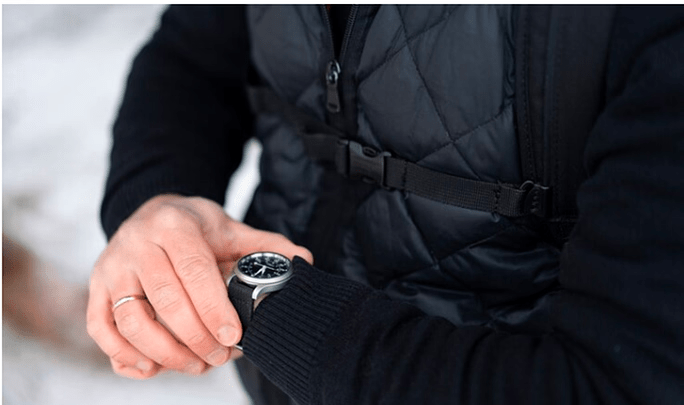
What makes a great daily-wear watch?
A daily watch needs to perform consistently and handle real-world use. It should be comfortable, durable, and easy to wear in different environments.
Key characteristics of a daily watch
1. Durability
A daily watch should handle:
- Regular wrist movement
- Scratches and bumps
- Exposure to weather and moisture
Stainless steel cases, sapphire crystals, and reliable movements such as the Seiko NH35 are ideal choices.
2. Comfortable sizing
Most people find daily watches feel best in the 38–42mm range, depending on wrist size. Comfort matters more than making a statement.
3. Legibility
Clear dials, good contrast, and applied indices help ensure the time is easy to read at a glance.
4. Versatility
A daily watch should look appropriate in casual and semi-formal settings. Neutral colours and clean designs work well.
5. Practical water resistance
A minimum of 100m / 10ATM is ideal for peace of mind during daily activities.
Popular daily-wear styles
- Field watches
- Diver-style watches
- Simple three-hand designs
- Sport/classic hybrids
These offer durability while remaining understated.
What defines a special-occasion watch?

A special-occasion watch is designed with presence and refinement in mind. It does not need to withstand daily abuse — instead, it should elevate your outfit and reflect attention to detail.
Key characteristics of a special-occasion watch
1. Slimmer profile
Dress and formal watches often feature thinner cases to slide easily under a cuff.
2. Elegant design
This usually includes:
- Minimalist dials
- Polished cases
- Refined markers
- Leather or fine steel straps
The priority is sophistication rather than ruggedness.
3. Reserved colour palettes
Black, silver, white, gold, and navy are most common. Subtlety leaves the strongest impression.
4. Smaller sizing
Many formal watches sit around 36–40mm for a balanced, classic look.
5. Occasional water exposure only
Since these watches are not for sports or swimming, 30–50m water resistance is typically sufficient.
Popular special-occasion styles
- Dress watches
- Skeleton or open-heart dials
- Vintage-inspired designs
- Minimalist time-only builds
These pieces are worn less frequently but make a lasting impact.
Questions to help decide which type you need
Ask yourself the following:
- Will I wear this watch most days?
- Do I work in a formal or casual environment?
- Do I want something subtle or eye-catching?
- Will I travel, exercise, or commute with it?
- Is this a personal keepsake or statement piece?
Your answers will naturally guide the design direction.
Choosing the right materials
For daily wear
- Stainless steel cases
- Sapphire crystal
- Screw-down crown (ideally)
- Rubber or steel bracelet
These materials prioritise protection and longevity.
For special occasions
- Polished finishing
- Leather straps
- Slim cases
- Decorative dials
Here the focus is aesthetic refinement rather than resilience.
Movement considerations
Both daily and dress watches can use reliable automatic movements such as the Seiko NH35, but the case size and height may differ based on design intent.
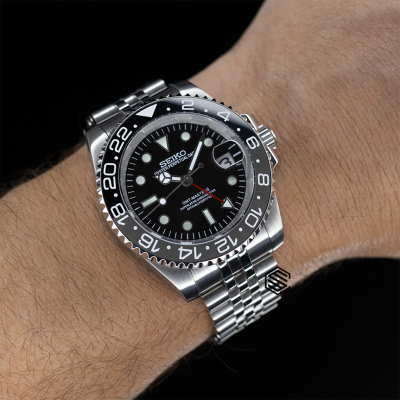
Why many collectors own both
Just as people rotate between casual and formal shoes, many watch enthusiasts prefer having:
- A durable watch for everyday use
- A refined watch for events, meetings, or evenings
This ensures each watch is built with a clear purpose.
Designing the right watch with TimeLab Mods
When building a custom piece, clarity on how you plan to wear the watch helps guide:
- Case size
- Dial design
- Strap choice
- Water resistance
- Movement selection
Our goal is to ensure your watch not only looks right, but functions exactly as you need it to.
Final thoughts
A daily-wear watch should be practical, versatile, and reliable.
A special-occasion watch should be elegant, refined, and visually striking.
Both have their place.
Understanding the difference ensures your custom watch is built with intention — and becomes something you enjoy wearing for years.
If you would like guidance designing the right custom piece, the team at TimeLab Mods is always available to help you make the right decision.